LP Reverse Osmosis Membrane Element for Industrial Water Treatment Stability
In industrial water treatment systems, membrane performance directly affects operating efficiency, water quality consistency, and long-term system reliability. Many facilities operate under moderate pressure conditions where extreme high-pressure membranes are unnecessary, yet basic membrane designs may fail to deliver stable separation. For procurement teams and system engineers, the challenge lies in selecting a membrane solution that balances pressure requirements, performance stability, and manageable operating costs. An LP Reverse Osmosis Membrane Element is commonly evaluated in these situations, as it is designed to operate efficiently within standard industrial pressure ranges while maintaining dependable separation behavior. As a core component in modern treatment systems, the Reverse Osmosis Membrane Element plays a critical role in ensuring controlled and predictable water purification performance.
Understanding the Product and Its Design
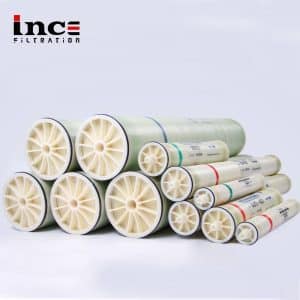
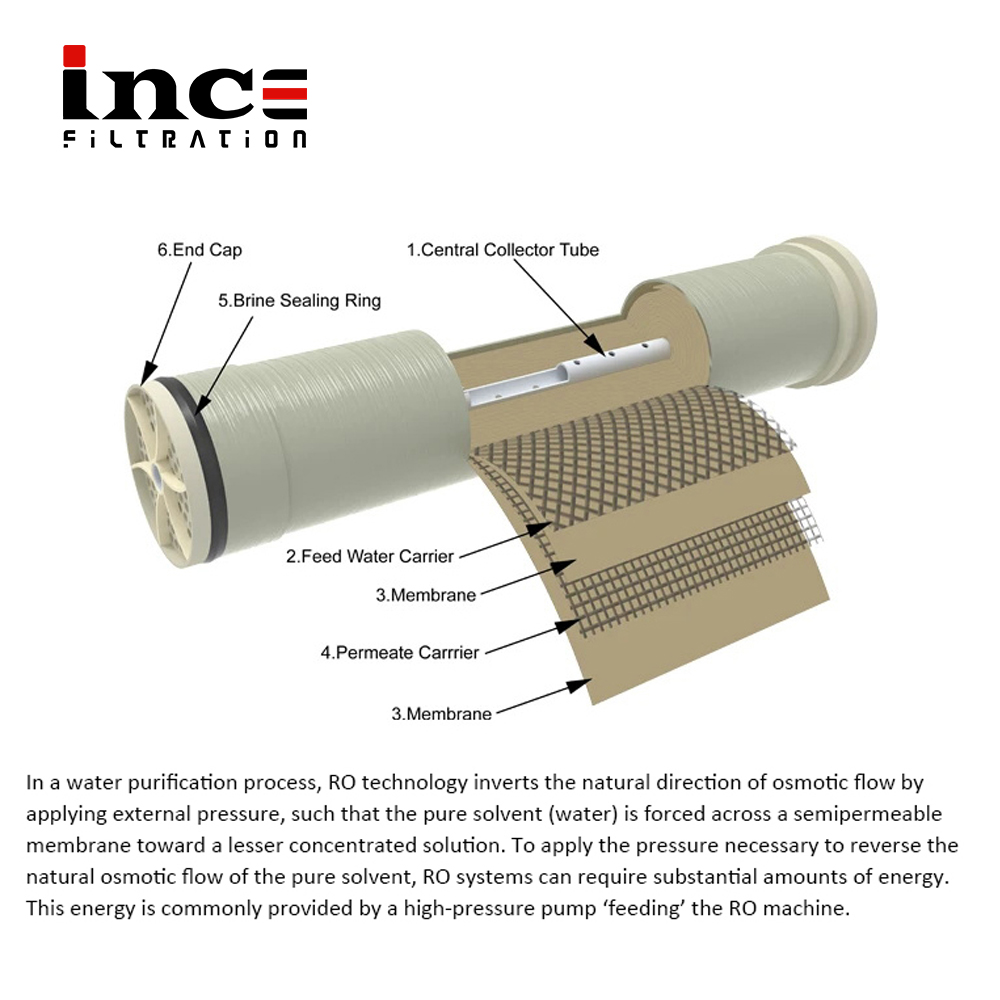
An LP Reverse Osmosis Membrane Element is engineered to provide effective salt rejection and stable permeate flow under low to standard operating pressures. The element typically uses a spiral-wound structure, where membrane sheets, feed spacers, and permeate channels are assembled in a precise configuration to support uniform flow distribution. This structural balance helps reduce localized pressure stress and promotes consistent membrane utilization.
The membrane chemistry is optimized to allow efficient water passage while maintaining separation integrity. Unlike ultra-low-pressure designs that prioritize minimal energy input, LP configurations emphasize durability and long-term stability. This makes the Reverse Osmosis Membrane Element suitable for continuous industrial operation where consistent performance is required over extended service cycles.
Mechanical strength is another important design consideration. Reinforced outer wraps, secure end caps, and reliable sealing components ensure dimensional stability during sustained pressure operation. These features allow the membrane element to integrate reliably into standard industrial RO systems.
Key Performance Advantages in Real Operation
One of the primary advantages of an LP Reverse Osmosis Membrane Element is its predictable performance under moderate pressure conditions. Systems can achieve stable permeate output without pushing pumps or piping beyond their normal operating limits. This balance supports steady production while avoiding unnecessary mechanical stress.
Consistent rejection performance is equally important in industrial environments. Variations in feed water composition are common, and membranes that respond unpredictably can disrupt downstream processes. A well-designed Reverse Osmosis Membrane Element maintains reliable separation behavior, helping facilities preserve consistent water quality across changing operating conditions.
Pressure drop characteristics also contribute to operational confidence. Gradual and measurable pressure changes allow maintenance teams to monitor membrane condition and plan cleaning or replacement activities based on observed trends. This predictability reduces the likelihood of sudden system interruptions.
Typical Industrial Application Scenarios
LP Reverse Osmosis Membrane Elements are widely applied in industrial process water preparation, boiler feed water pretreatment, and cooling water makeup systems. In these applications, membranes must deliver stable performance without excessive pressure requirements.
Manufacturing facilities rely on reverse osmosis systems to supply water for production processes where quality consistency is essential. The Reverse Osmosis Membrane Element supports effective removal of dissolved salts and impurities before water enters sensitive equipment or downstream treatment stages.
Industrial water reuse systems also benefit from LP membrane designs. By providing dependable separation under controlled pressure conditions, these membranes help facilities reclaim and reuse water while maintaining predictable system behavior and operational stability.
Operational Efficiency and Lifecycle Considerations
Operational efficiency is influenced by more than energy consumption alone. An LP Reverse Osmosis Membrane Element contributes to overall system balance by aligning pressure requirements with realistic industrial operating conditions. This alignment reduces strain on pumps, valves, and piping, supporting longer equipment service life.
Stable membrane performance also simplifies operational planning. When filtration behavior remains consistent, facilities can establish predictable maintenance schedules and avoid reactive interventions. For procurement teams, this translates into better lifecycle cost control and reduced operational risk.
Rather than focusing solely on initial membrane selection, many industrial users assess how the Reverse Osmosis Membrane Element performs over time. Long-term reliability, manageable cleaning frequency, and consistent output quality collectively define the true value of the membrane.
Compatibility, Replacement, and System Integration
Compatibility with standard pressure vessels is a key requirement in industrial installations. LP Reverse Osmosis Membrane Elements are designed to fit commonly used housings, allowing straightforward integration into existing systems without major modification.
When membranes reach the end of their service life, replacement should not disrupt system balance. A consistent Reverse Osmosis Membrane Element specification ensures that operating parameters remain within established ranges, minimizing the need for system recalibration.
For facilities managing multiple RO systems, standardized membrane elements simplify inventory management and replacement planning. This consistency supports uninterrupted operation and reduces complexity across different process lines.
Closing Paragraph
An LP Reverse Osmosis Membrane Element provides a practical and reliable solution for industrial water treatment systems operating under moderate pressure conditions. Through balanced design, stable separation performance, and predictable operational behavior, it supports consistent water quality and controlled system operation. As a fundamental component of modern filtration systems, the Reverse Osmosis Membrane Element continues to play an essential role in helping industrial facilities achieve long-term efficiency, reliability, and operational confidence.
Related Posts