Step-by-Step Guide: How to Safely Change Liquid Filter Bag Inserts
Liquid filter bags play a critical role in maintaining filtration efficiency in water treatment, chemical processing, food production, paint manufacturing, and many other industrial applications. However, even the highest-quality filter bag eventually becomes loaded with contaminants and must be replaced to maintain system performance.
One of the most common maintenance questions operators ask is: “How do I safely change liquid filter bag inserts?”
This guide explains when a filter bag should be replaced, how to identify signs of filter loading, and the proper step-by-step procedure for changing a liquid filter bag while minimizing downtime and maintaining safe operation.
Why Replacing Filter Bags at the Right Time Matters
A filter bag that remains in service for too long can cause:
- Reduced flow rates
- Increased pressure drop
- Higher energy consumption
- Pump strain
- Lower filtration efficiency
- Potential filter bag failure
Replacing the filter bag at the appropriate time helps maintain stable system performance and protects downstream equipment.
When Should a Liquid Filter Bag Be Changed?
The most reliable indicator is the pressure differential (pressure drop) across the filter housing.
As contaminants accumulate inside the filter media, fluid flow becomes more restricted and the pressure drop gradually increases.
Recommended Replacement Point
Most industrial filtration systems recommend replacing the filter bag when the differential pressure reaches:
15 PSI (approximately 1.0 Bar)
At this point, the filter bag has typically reached its optimal contaminant-holding capacity.
If the pressure drop continues to increase beyond this level, operators may experience:
- Reduced system flow
- Increased operating costs
- Higher risk of filter damage
- More frequent process interruptions
Need to Convert Pressure Units?
Different equipment suppliers may display pressure readings in:
- PSI
- Bar
- kPa
- MPa
- kg/cm²
To simplify maintenance decisions, INCE’s Pressure Conversion Tool allows operators to instantly convert pressure values between metric, US, and UK standards. This makes it easy to determine whether your system has reached the recommended replacement threshold of 15 PSI (1.0 Bar) regardless of the gauge units used.
Safety Precautions Before Replacing a Filter Bag
Before opening any filter housing, always follow plant safety procedures.
Personal Protective Equipment (PPE)
Wear appropriate PPE, including:
- Safety glasses
- Protective gloves
- Chemical-resistant clothing (if required)
- Safety footwear
Verify Fluid Compatibility
Some systems contain:
- Chemicals
- Hot liquids
- Corrosive fluids
- Process water under pressure
Review the process fluid safety requirements before beginning maintenance.
Ensure Proper Isolation
Always isolate the filter housing from the process system before opening it.
Step 1: Shut Down the Filtration System
Begin by stopping the filtration process.
Depending on the system design:
- Turn off the circulation pump.
- Close the inlet valve.
- Close the outlet valve.
This prevents fluid flow while maintenance is performed.
Step 2: Release Internal Pressure
Never attempt to open a pressurized filter housing.
After isolating the system:
- Slowly open the vent valve.
- Confirm pressure has returned to zero.
- Open the drain valve if necessary.
Wait until all internal pressure is safely released.
Important Safety Reminder
Always verify the pressure gauge reads zero before opening the housing.
Residual pressure can cause sudden fluid discharge and potential injury.
Step 3: Open the Filter Housing
Once the housing is completely depressurized:
- Loosen the housing closure.
- Carefully remove the cover.
- Place the cover in a clean area.
Avoid allowing dirt or debris to enter the housing during maintenance.
Step 4: Remove the Used Filter Bag
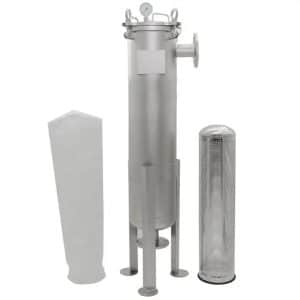
Carefully lift the saturated filter bag from the support basket.
Depending on the application, the bag may contain:
- Sediment
- Suspended solids
- Gelatinous contaminants
- Process residues
- Sludge
Allow excess liquid to drain before disposal.
Inspection Opportunity
Examining the used filter bag can provide valuable information about:
- Process contamination levels
- Particle characteristics
- Filter life optimization
- Potential system issues
Step 5: Inspect the Basket and Housing
Before installing a new filter bag, inspect all internal components.
Check for:
- Basket damage
- Corrosion
- Cracks
- Excessive debris buildup
- Seal wear
A damaged basket may reduce filtration efficiency and shorten filter bag life.
Clean the housing interior if necessary.
Step 6: Install the New Filter Bag
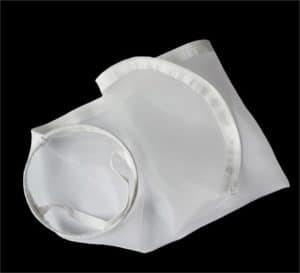
Insert the replacement filter bag into the support basket.
Ensure:
- The bag is fully seated
- The sealing ring fits correctly
- No folds or wrinkles interfere with sealing
Improper installation can result in fluid bypass, allowing contaminants to pass through without filtration.
Choosing the Correct Replacement Bag
Verify:
- Bag size
- Micron rating
- Material compatibility
Common options include:
- Polyester felt filter bags
- Polypropylene filter bags
- Nylon mesh filter bags
- PTFE filter bags
Selecting the correct media helps maximize filtration efficiency and service life.
Step 7: Reassemble the Housing
Once the new bag is properly installed:
- Reinstall the housing cover.
- Tighten all fasteners according to manufacturer specifications.
- Verify all seals and gaskets are properly positioned.
A secure seal prevents leakage during operation.
Step 8: Restart the Filtration System
Gradually return the system to operation.
Recommended startup procedure:
- Slowly open the inlet valve.
- Allow the housing to fill.
- Vent trapped air.
- Open the outlet valve.
- Start the pump.
Avoid sudden pressure surges that could damage the filter bag.
Step 9: Record the Clean Pressure Reading
After installing a new filter bag, record the initial differential pressure.
This value serves as your baseline reference for future maintenance.
By monitoring pressure drop over time, operators can determine when the filter bag approaches the recommended replacement point of:
15 PSI (1.0 Bar)
This simple practice improves maintenance planning and prevents unexpected downtime.
Common Signs That a Filter Bag Needs Replacement
Even without pressure monitoring, several indicators may suggest a filter bag has reached capacity.
Reduced Flow Rate
A noticeable decrease in flow often indicates filter loading.
Increased Pump Load
Pumps may work harder as resistance increases.
Visible Pressure Increase
Pressure gauges showing a steady rise toward 15 PSI (1.0 Bar) indicate replacement is approaching.
Declining Filtration Performance
Particles appearing downstream may indicate a damaged or overloaded filter bag.
Tips for Extending Filter Bag Life
To maximize filter bag performance:
- Select the correct micron rating
- Use appropriate filter media
- Monitor pressure differential regularly
- Avoid excessive flow rates
- Install pre-filtration where necessary
- Follow scheduled maintenance procedures
Proper filter selection can significantly reduce replacement frequency and operating costs.
Why Choose INCE Liquid Filter Bags?
INCE manufactures a complete range of industrial liquid filter bags designed for reliable filtration performance across diverse applications.
Our product range includes:
- Polyester Felt Filter Bags
- Polypropylene Filter Bags
- Nylon Mesh Filter Bags
- PTFE Filter Bags
Available in standard industry sizes and a wide range of micron ratings, INCE filter bags are suitable for water treatment, chemical processing, food production, coatings, semiconductor manufacturing, and many other industries.
To simplify product selection and maintenance, we also provide online tools including:
- Liquid Filter Bag Selector Tool
- Pressure Conversion Tool
- Flow Rate Conversion Tool
These resources help users compare specifications, select suitable filter bags, and determine replacement intervals more accurately.
Conclusion
Knowing how to safely change liquid filter bag inserts is essential for maintaining filtration efficiency, protecting equipment, and minimizing downtime.
The most reliable indicator for filter replacement is differential pressure. In most liquid filtration systems, the filter bag should be replaced when the pressure drop reaches 15 PSI (1.0 Bar). Monitoring this value helps operators optimize filter life while avoiding unnecessary maintenance or reduced system performance.
By following the step-by-step procedure outlined above and using the proper replacement filter bags, facilities can improve operational efficiency, reduce maintenance costs, and ensure consistent filtration results.
Need Help Selecting the Right Filter Bag?
Contact INCE today for expert assistance with filter bag selection, replacement schedules, and filtration system optimization. Our team can recommend the ideal filter media, micron rating, and housing configuration for your specific application.
TAGs: pleated liquid filter cartridges china 5 micron filter wholesaler how to choose industrial filter bags 0.22 Micron Pleated Filter Cartridges industrial liquid filter bags Polyester Felt Liquid Filter Bag Pleated Filter Cartridge Manufacturer Pleated Filter Cartridge Factory Pleated Liquid Filter Cartridges How to Choose a Reliable Pleated Filter Cartridge Manufacturer Pleated Liquid Filter Cartridges pleated membrane cartridgesRelated Posts